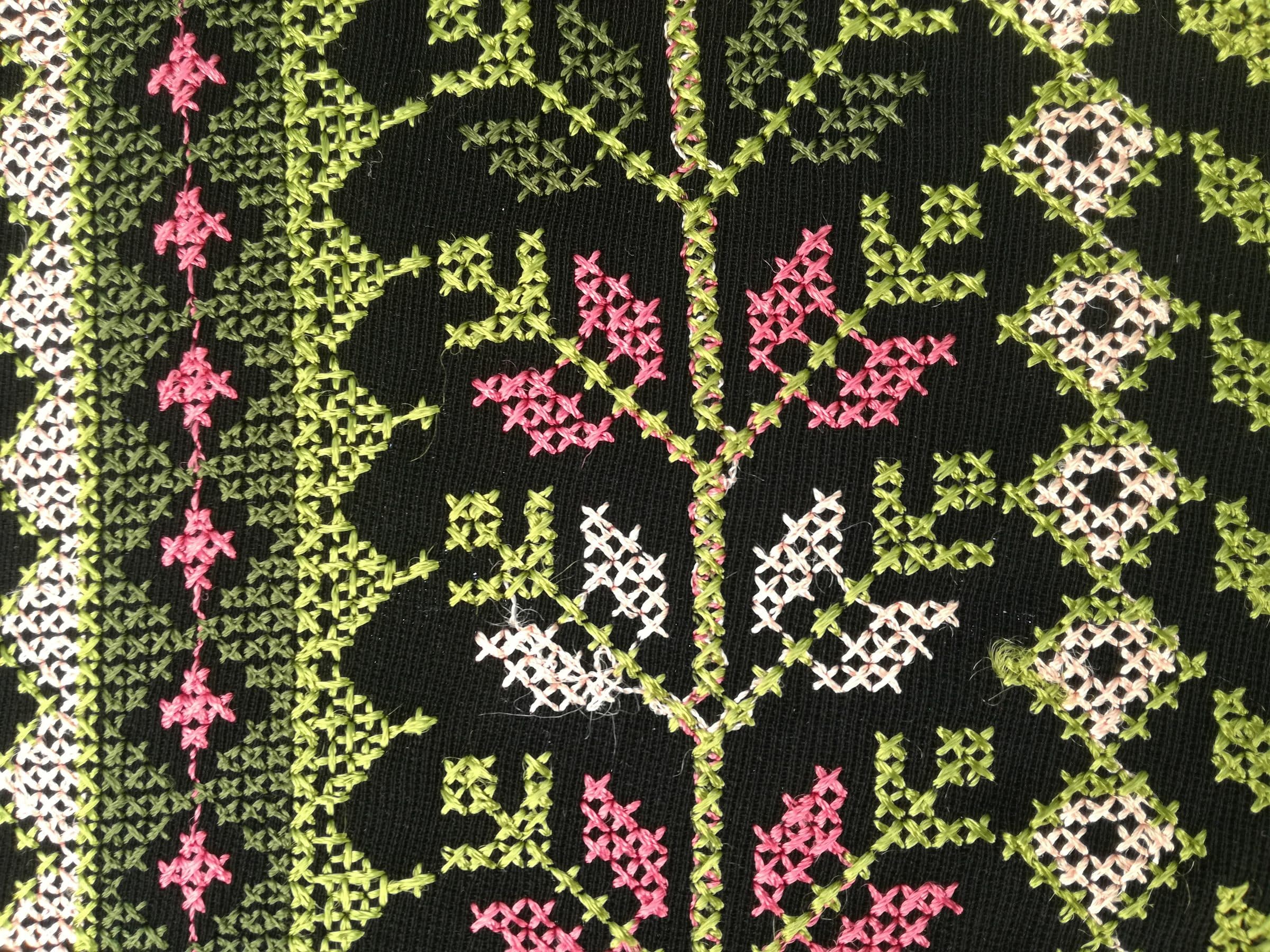
Close-up of Palestinian hand cross-stitch in pink, green and white thread on black fabric, Hebron

Palestinian tatreez, stitch by stitch

Photo: Aseel zm · CC BY-SA 4.0

On the chest and sleeves of a dress, cross-stitches tell of a place: its colours, its motifs and the names of its villages.

Palestinian tatreez is the art of cross-stitch on cloth. It passes between women: a girl learns from her mother and grandmother how to count the threads and build a motif, stitch by stitch.

The Palestinian dress, the thob, takes many forms, and its embroidery could once tell which town the woman wearing it came from: each region had its favourite motifs and colours.

In 2021, the art of embroidery in Palestine was inscribed on UNESCO's Representative List of the Intangible Cultural Heritage of Humanity.

Today you will find tatreez on dresses, and on cushions, belts and accessories too. Even Cana's logo carries embroidery stitches on the sunbird's neck and shoulder.
More stories

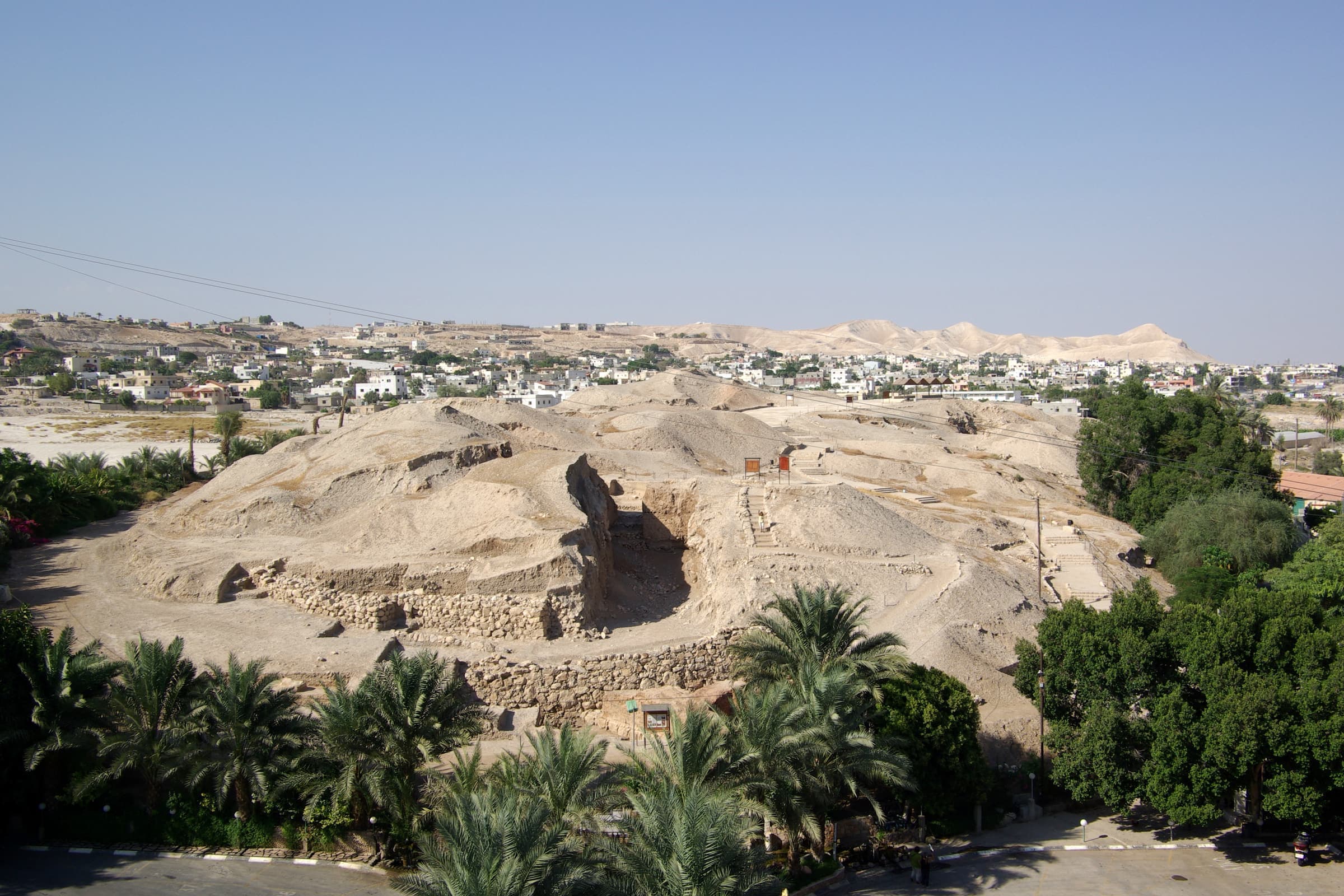
  • Tell es-Sultan, the mound of ancient Jericho, seen from above with palms around itPhoto: Berthold Werner · Public domain
    Jericho

    Palestine on the World Heritage List

    From the Church of the Nativity to Tell es-Sultan: sites UNESCO has inscribed on the World Heritage List, four of them on Cana's journey lines.

    Read the story
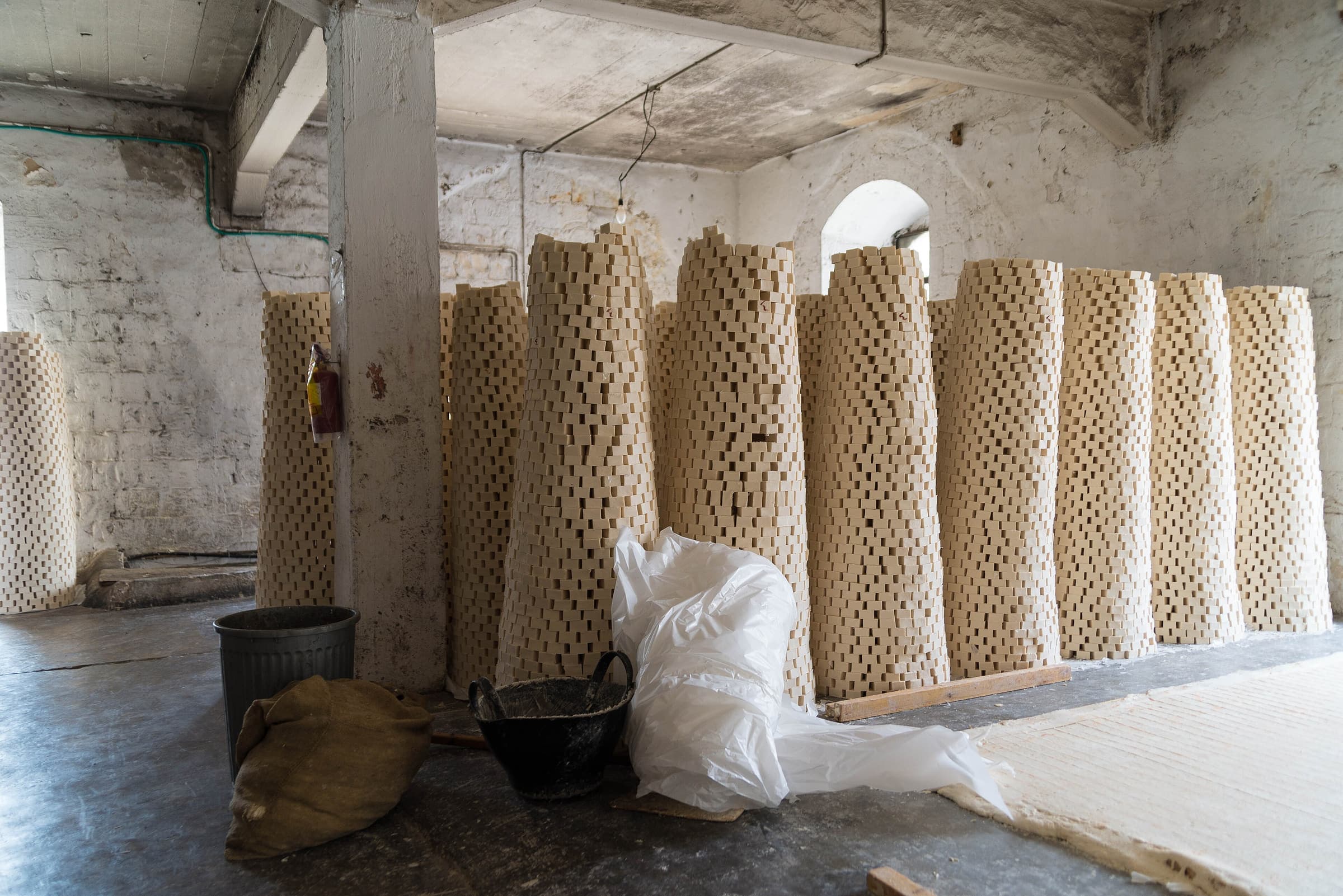
  • Towers of olive-oil soap bars inside a soap factory in NablusPhoto: Hendrik Wieduwilt from Berlin, Germany · CC BY 2.0
    Nablus

    Nablus soap: from olive oil to towers of bars

    In the soap factories of the Old City, olive oil is cooked into soap, then cut, stamped and stacked in towers to dry.

    Read the story
All stories